August 22, 2026
One platform or multiple providers? How to simplify global payments
Learn how local payment methods and one operating layer can help your business sell, get paid, and grow across markets.

In this article
- A sale can stop at the payment step
- An approved payment is not yet controlled cash
- Every new provider adds operational work
- What actually needs to be centralized
- Your business should not have to coordinate every provider
- When one platform makes sense
- How to evaluate a global payments platform
- How TroqPay connects the operation
- Turn demand into revenue
Your business has found demand in another market. The buyer is ready, but the checkout only accepts credit cards. They may not have an international card, may face a spending limit, or may simply prefer a local payment method.
The demand is real. The payment infrastructure is getting in the way.
Even after a payment goes through, another question remains: when will the funds be available? A business should not discover later that the cycle may take weeks or open multiple dashboards just to confirm that a sale became cash.
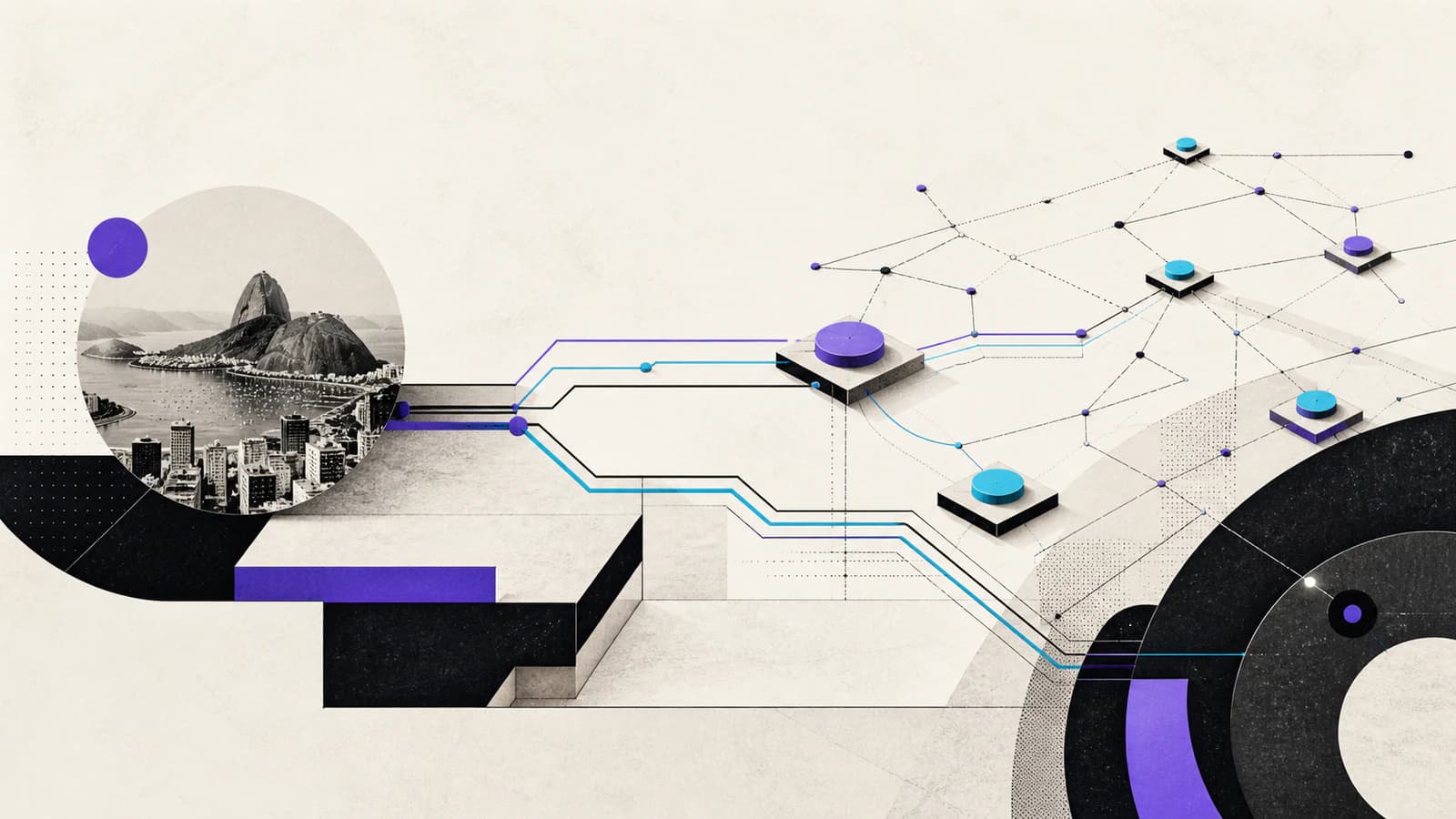
These problems share the same cause: a financial operation assembled in pieces. The solution is to connect local payments, global money movement, reconciliation, and decision-making in one controllable flow.
A sale can stop at the payment step
Cards remain important, but they should not be the only way to pay. A buyer in another market may prefer a bank transfer or a local payment method they already use every day.
Without that option, real demand can disappear at checkout. Not because the product lost value, but because the payment created unnecessary friction.
The first step toward selling globally is straightforward: let buyers pay locally whenever the market and payment flow are available.
An approved payment is not yet controlled cash
After a sale, the business needs answers to four questions:
- was the payment confirmed?
- when will the funds be available?
- what did the transaction cost?
- where is the record needed for reconciliation?
Getting paid in minutes is better than waiting 30 days. But a serious provider cannot promise the same timing for every market and flow. What a business should expect is fast confirmation, clear timing, and visibility through settlement.
Without that visibility, Finance and Operations work with uncertainty. Cash flow becomes less predictable, while growth starts depending on spreadsheets, messages, and manual follow-ups.
Every new provider adds operational work
Entering a new market often means adding another integration, dashboard, and reconciliation process. The transaction fee is only one part of the cost.
A fragmented operation also requires:
- separate integrations and maintenance;
- different activation processes;
- monitoring across multiple dashboards;
- reconciliation between formats and data sources;
- support spread across providers;
- manual consolidation to understand performance.
The Financial Stability Board continues to identify cost and transparency as challenges in cross-border payments. The BIS Committee on Payments and Market Infrastructures also notes that fragmented API standards can increase processing time, expenses, and the risk of errors.
In practice, that cost consumes time across Product, Engineering, Finance, and Operations.
What actually needs to be centralized
Centralization is not simply placing several services in one menu. The platform needs to connect four moments:
- Sell: the buyer pays with a method suited to their market.
- Operate: the business receives, pays, or moves funds through an enabled flow.
- Control: status, history, and reconciliation remain accessible in one place.
- Decide: operating data shows what happened and where to act.
The value appears when information moves through the entire flow without requiring parallel controls.
Your business should not have to coordinate every provider
Global payments depend on different systems and participants. That does not mean the business selling the product should maintain a separate API for each step, reconcile incompatible files, and chase status updates from multiple providers.
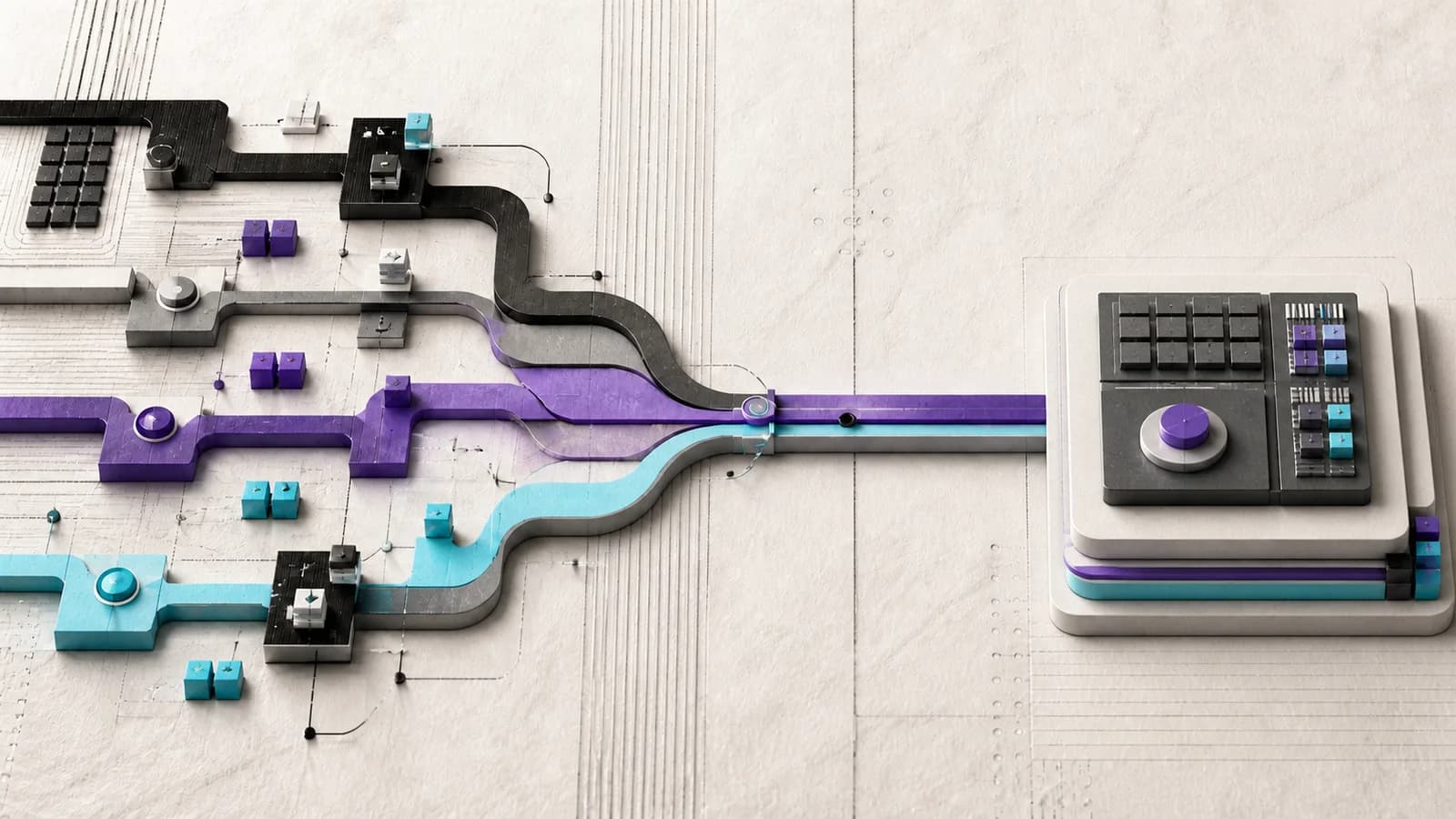
One operating layer can bring activation, integration, tracking, history, reconciliation, and support together. Specialized partners still perform the regulated financial steps, while the business follows the operation through a connected experience.
The goal is direct: remove operational work from the teams focused on selling and growing.
When one platform makes sense
Centralization tends to create more value when a business:
- sells or operates in more than one market;
- depends on cards and wants to offer local payment methods;
- maintains multiple integrations for related use cases;
- reconciles information from different dashboards;
- wants to start with payment links or checkout and automate later;
- needs payments, accounts, and balances in the same operating context;
- wants performance insights without building another data layer.
A specialized provider may still be the right choice for one corridor or a custom-built requirement. The decision depends less on the number of features and more on how much operational work each model removes.
How to evaluate a global payments platform
Before choosing a provider, check:
- Fit: are the required markets and flows available to your business?
- Local payment methods: can the buyer pay in a familiar way?
- Timing: are confirmation, costs, and settlement clear?
- Scale: are APIs and webhooks available when automation is needed?
- Visibility: are status, history, and receipts centralized?
- Reconciliation: can operating data be tracked and exported clearly?
- Support: is there help when the operation needs to move forward?
This review keeps a business from choosing only the most visible feature and discovering later that the rest of the operation remains fragmented.
How TroqPay connects the operation
TroqPay connects local payments and global operations in one layer. A business can start with checkout or payment links, then move to APIs and webhooks when it is ready to automate.
Depending on the enabled product and business eligibility, the operation may combine global payments, virtual accounts, and wallets. Status and reconciliation remain in the same context. Elisa turns operating data into clear answers about where to act.
The business no longer has to coordinate separate systems to follow sales, collections, and money movement. TroqPay organizes the technology layer; regulated financial steps are performed by enabled partners according to the market and flow.
Turn demand into revenue
Your business should not lose a sale because the buyer does not have a card the checkout accepts. It should not wait without clear timing or open multiple dashboards to find out whether the funds arrived.
The infrastructure should turn demand into sales, sales into available funds, and operating data into decisions. That is how a business grows without rebuilding its financial operation market by market.