June 16, 2026
How to accept Pix and receive stablecoins or BRL
Learn how to accept Pix, track each payment, and manage settlement in stablecoins or Brazilian reais through payment links, checkout, APIs, and webhooks.
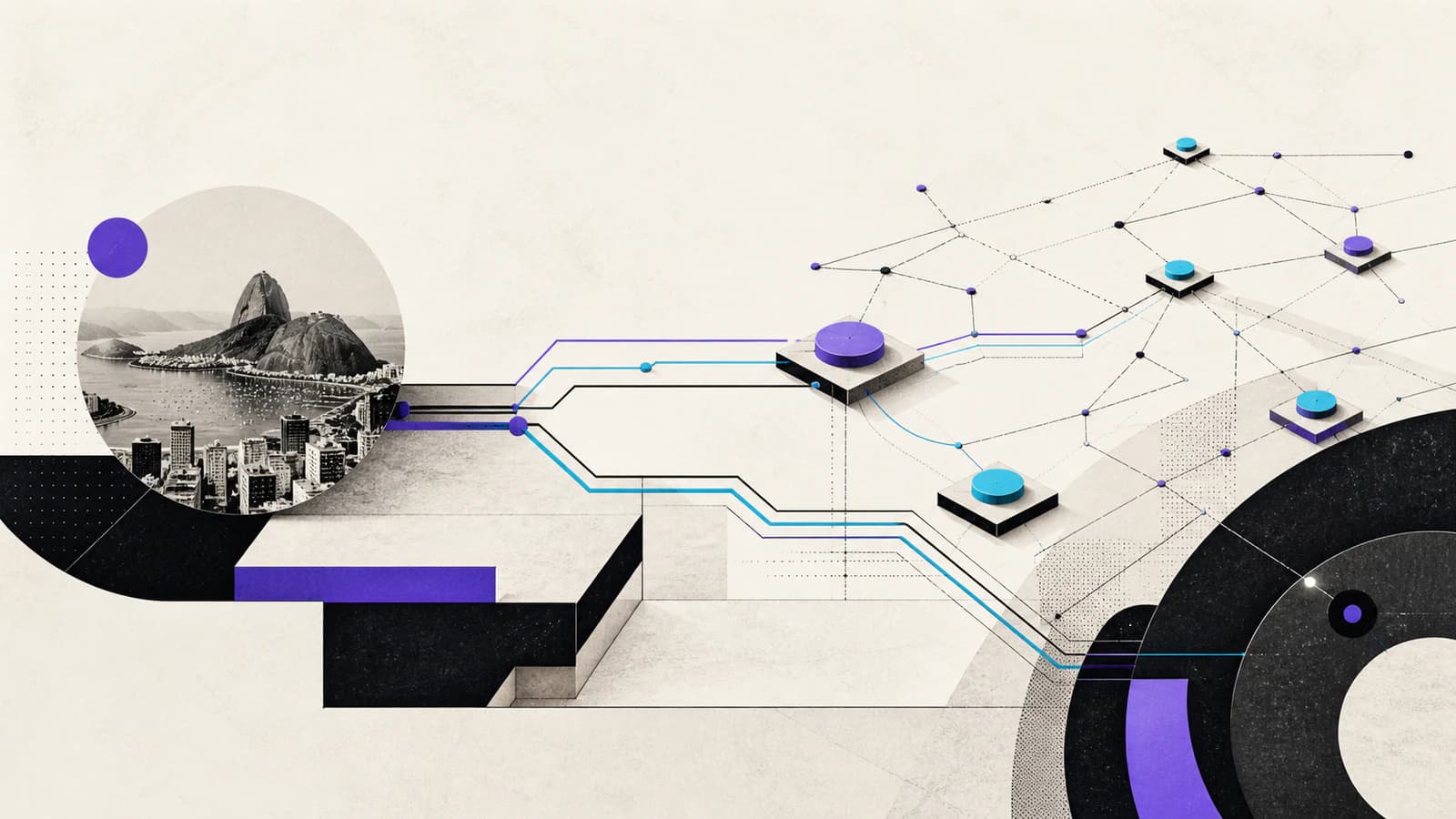

Accepting Pix and receiving stablecoins or Brazilian reais involves two separate decisions: how your customer pays and how your business manages the funds.
The buyer gets a familiar local payment experience. Your team gets one place to track the transaction and can move from a payment link to a full integration as the operation grows.
What does it mean to accept Pix and receive stablecoins or BRL?
The customer pays with Pix from their own banking app. They do not need to buy crypto, open a wallet, or learn a new payment method.
Once the payment is confirmed, your business can track its status and reconciliation in TroqPay. Settlement may be available in BRL or supported stablecoins, depending on the product, eligibility, and terms shown before the transaction is confirmed.
This setup separates the customer experience from your company’s treasury strategy.
How the payment works
- Create the charge. Use checkout, a payment link, or the API.
- The customer pays with Pix. The transaction takes place in an experience Brazilian buyers already know.
- TroqPay confirms and reconciles it. The dashboard records the payment, while webhooks update your systems.
- Choose how to manage the funds. Eligible options are displayed before the transaction is confirmed.
Regulated financial steps are carried out by partner institutions according to the applicable flow and Terms of Use.
Why offer Pix at checkout?
Pix is Brazil’s instant payment infrastructure, operated under the rules of the Central Bank of Brazil. Buyers can pay without entering card details or opening a new account. For businesses, electronic confirmation makes it easier to automate access, fulfillment, and reconciliation.
The Central Bank of Brazil explains how Pix works on its official website.
Payment link or API: where should you start?
A payment link is the fastest way to validate an offer. Create a charge, share the link, and track the payment in the dashboard.
An API is a better fit when payments need to connect with your product, subscriptions, inventory, or customer support. Signed webhooks notify your systems when a status changes and reduce manual checks.
You do not need to choose a permanent setup on day one. Start with links and add automation as volume grows.
When can receiving stablecoins make sense?
Stablecoins are digital assets designed to track a reference currency, such as the U.S. dollar. They may be useful for companies that pay for software, suppliers, or other global costs, provided the risks, fees, networks, and rules of the transaction are clear.
That does not make stablecoins risk-free investments. Issuance, custody, liquidity, networks, and regulation still matter. Receiving BRL may be simpler for some businesses. For others, a supported stablecoin can reduce later steps.
What to review before going live
- company and product eligibility;
- enabled currencies and destinations;
- fees, exchange rates, and timing shown for the transaction;
- ownership of the destination account or wallet;
- KYB documentation;
- how your team will track status, reconciliation, and receipts.
These checks prevent payment, conversion, and settlement from being treated as if they were a single step.
Where TroqPay fits
TroqPay brings checkout, payment links, APIs, webhooks, status, and reconciliation into one operation. Your business can sell locally and manage settlement without rebuilding financial infrastructure for every new flow.
Companies validating demand can start with one charge. Teams with an established product and volume can integrate and automate the operation.